
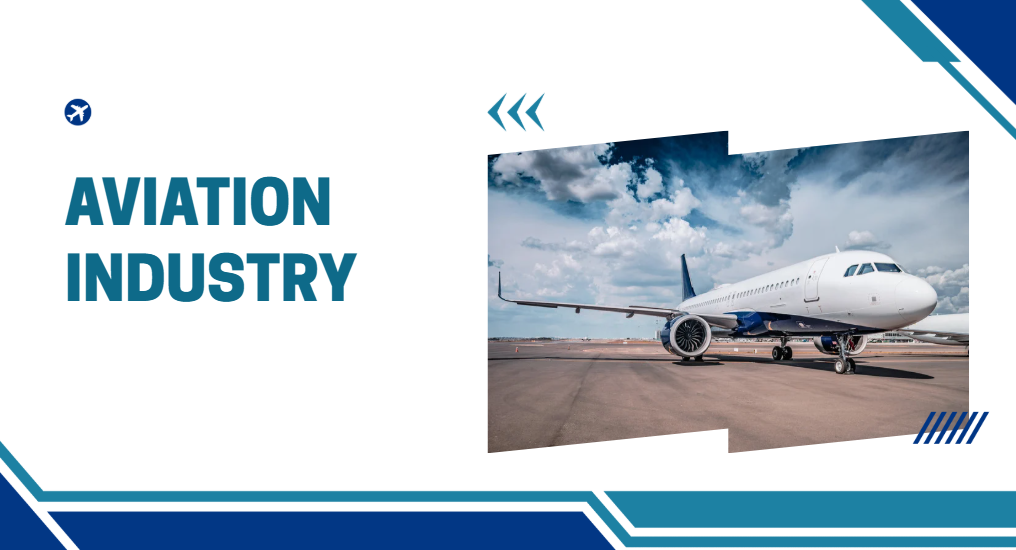
The aviation industry means all the work related to flying in the sky. It includes airplanes, airports, pilots, engineers, and many workers who help planes fly safely. Aviation is a big and important part of modern life. It lets people travel fast around the world and helps goods move between countries.
ALSO READ : CAPCUT MOD APK DOWNLOAD
This article will explain what the aviation industry is, why it matters, its challenges, and future trends. By the end, you will understand aviation better and how it affects jobs, travel, and the world.
What Does the Aviation Industry Include?
The aviation industry includes many things:
1. Airplanes and Aircraft
These are the flying machines we see in the sky—big and small. They are designed, built, and tested by engineers.
2. Airlines
Airlines run flights. They carry people or goods from one city to another. Airlines also hire pilots, cabin crew, and many support staff.
3. Airports
Airports are places where planes take off and land. They have security, baggage systems, shops, and many workers to help passengers.
4. Support Services
These include air traffic controllers, mechanics, fuel services, and maintenance workers who keep everything safe and on time.
All these parts work together to keep the world connected and safe.
Why the Aviation Industry Matters
The aviation industry is very important for people and economies:
1. Connects People
Planes help people travel quickly between cities and countries. This connects families, businesses, and cultures.
2. Big Economic Impact
The industry supports millions of jobs worldwide and helps businesses grow. It also adds billions of dollars to the global economy every year.
3. Supports Trade
Even though planes carry less freight weight than ships, they carry high-value items. This makes trade faster and more efficient.
Key Trends in the Aviation Industry
The aviation sector is always changing. Here are some important trends shaping its future:
1. New Technology
Modern tech is changing aviation. This includes:
- Digital tools to plan flights
- Smart aircraft designs that save fuel
- Artificial intelligence for safety and operations
2. Greener Aviation
The world wants cleaner air travel. That means using sustainable fuels that reduce pollution and finding new ways to cut emissions.
3. Increased Travel
More people are flying again after the pandemic, and this trend is expected to continue. Airports and airlines are expanding to meet this demand.
Big Challenges Facing the Aviation Industry
The aviation industry faces many challenges that need careful planning and work. Here are the major ones:
1. High Costs
Running an airline is expensive. Fuel prices, maintenance costs, and salaries can be very high.
2. Environmental Pressure
Aviation creates pollution, and there is pressure to find cleaner solutions. This means investing in new technology, which can be costly.
3. Workforce Issues
There are not enough pilots, mechanics, and other trained workers in many countries. This shortage may slow down growth if not fixed.
4. Delays and Supply Chain Problems
Making new aircraft and parts can take a long time, which slows down airport and airline growth.
Jobs in the Aviation Industry
The aviation industry offers many types of jobs. Some of the most common are
1. Pilot
Pilots fly the planes and make sure flights are safe. This is one of the most well-known aviation jobs.
2. Aircraft Mechanic
Mechanics repair and check airplanes to make sure they are safe before each flight.
3. Air Traffic Controller
These workers help guide planes in the sky and at airports so they don’t collide and stay on schedule.
4. Cabin Crew
Flight attendants help passengers onboard, keep them safe, and provide service during flights.
5. Airport Staff
Many jobs exist in airports, including security, ticketing, customer support, and ground handling.
These jobs require training and sometimes special licensing, but they can be exciting and well-paid.
Future of the Aviation Industry
The aviation industry will continue to grow, but it must also adapt to new demands:
1. Clean Fuel
Scientists are working on fuels that can lower carbon emissions and make air travel more eco-friendly.
2. Electric and Hybrid Aircraft
Some companies are exploring electric or hybrid aircraft, especially for short flights, to lower fuel use and cost.
3. Better Technology in Airports
Airports are using smart systems like digitized security lines and baggage tracking to make travel easier and faster.
FAQs
Q1. What is the aviation industry?
The aviation industry includes everything related to flying—airlines, aircraft manufacturing, airports, and support services.
Q2. Why is aviation important for the world?
It connects people and countries, supports jobs, and helps trade and tourism.
Q3. What jobs are available in aviation?
Jobs include pilots, mechanics, air traffic controllers, cabin crew, and airport workers.
Q4. What are the biggest challenges for aviation?
Challenges include high costs, environmental concerns, workforce shortages, and supply chain delays.
Q5. How is aviation becoming greener?
The industry is using sustainable fuels and improving aircraft design to reduce pollution.
CONCLUSION
The aviation industry plays a major role in modern life. It connects people, supports trade, and creates millions of jobs. Although the industry faces big challenges like costs and climate pressure, new technology and green solutions are shaping a better future. Aviation will continue to be a key part of how the world travels, trades, and grows.